What Factors Affect the Cost in a Roofing Estimate?
The cost of a roofing estimate can vary greatly depending on a variety of factors. Homeowners and business owners alike often wonder what influences these costs and how they can better understand the estimates they receive from contractors. This article explores the key components that affect roofing estimates and provides insights into making informed decisions about your roofing project. From basic costs to unexpected factors, understanding these elements can help you navigate this complex process. A clear grasp of the estimation process ensures you make the most cost-effective and suitable choices for your roofing needs.
1. What are the basic costs involved in a roofing estimate?
Every roofing estimate begins with some basic costs that are foundational to any project. These include material costs, labor expenses, and associated hardware. Material costs cover the shingles, underlayment, and other necessary components vital for the roofing structure. Labor costs encompass the time and effort required by skilled workers to complete the installation or repair. Other necessary expenses could include permits, cleanup, and waste disposal, which need to be factored into the preliminary budget to avoid surprises.
The choice of materials can significantly influence the cost. For instance, opting for shingles made from asphalt, metal, clay, or wood will vary in price and durability. Asphalt shingles tend to be less expensive but may not offer the same longevity as more robust materials like metal or clay. Additionally, labor costs can fluctuate depending on the complexity of the roof design. A simple gable roof might take less time and skill to install than a complex cross-gabled, mansard, or gambrel roof, thereby affecting the overall estimate.
Installation of special features or upgrades also contributes to the baseline costs. Features such as solar panels, skylights, or improved ventilation systems can add value to your home but also increase the estimate significantly. Upgrades like these require additional materials and expertise, impacting both the material and labor components. Furthermore, the implementation of green or energy-efficient roofing solutions is gaining popularity. Although initially more expensive, they provide long-term savings on energy bills, potentially offsetting their upfront costs.
2. How does the size of the roof affect the estimate?
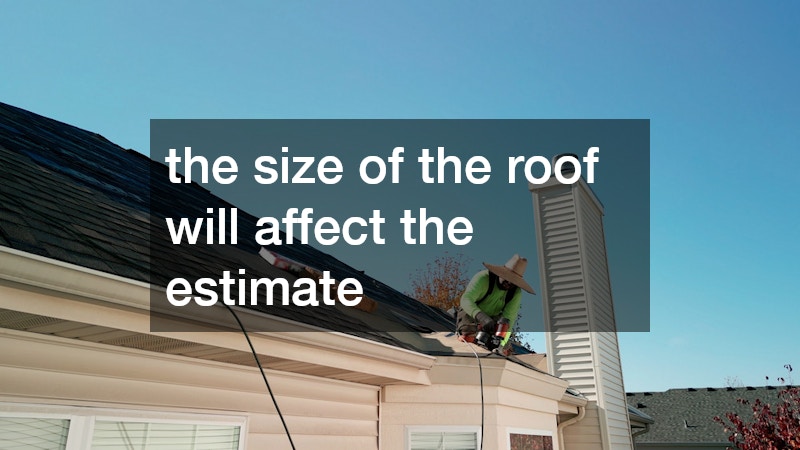
The size of your roof is one of the most critical determinants of a roofing estimate. Larger roofs require more materials, such as shingles and underlayment, which directly increases the material costs of the estimate. Alongside materials, a larger roof translates to more labor hours, as more time is needed to cover the extra surface area, thereby raising the total labor costs. Larger projects may necessitate additional workers or equipment, such as lifts and scaffolding, further increasing both direct and indirect expenses. It’s essential to provide accurate measurements to your contractor to avoid discrepancies in cost expectations.
Beyond physical dimensions, the slope or pitch of the roof also affects the estimate. Steeper roofs pose safety hazards and are generally more challenging to work on, increasing the risk and complexity of the project. This often necessitates specialized safety equipment and experienced personnel, leading to higher labor costs. Similarly, roofs with complicated designs—like those featuring dormers or multiple valleys—require additional expertise and time, increasing the estimate. Consequently, contractors must assess the structural intricacies of the roof design’s impact on both materials and labor.
Inaccurate measurements or overlooking areas such as overhangs can lead to significant cost discrepancies. This is why professional contractors take careful measurements and sometimes use advanced tools or technology to ensure accuracy. Estimations often account for waste, acknowledging that cutting and fitting materials result in excess that may go unused. Techniques for minimizing waste, perhaps through precise planning and advanced tools, can help in managing costs effectively. It’s vital to discuss these details with your contractor to ensure clarity and prevent escalated expenses.
3. Are there regional differences in roofing estimate costs?
Geographical location can greatly impact the cost of a roofing estimate, driven by various economic and environmental factors. Areas with a higher cost of living typically see higher labor costs, which reflect the broader economic landscape. Material prices can also fluctuate from one region to another based on availability, demand, and regional preferences, among other factors. Transporting materials over long distances adds to expenses, especially when dealing with bulk supplies for expansive roofing projects. Thus, the cost disparities across regions can be considerable and should be carefully considered.
Climate plays a pivotal role in influencing roofing decisions, significantly impacting estimate costs. Regions prone to severe weather conditions—like hurricanes, heavy snow, or intense heat—require more durable or specialized materials to withstand environmental challenges, which are often more expensive. For example, metal roofs, known for their resilience, may be preferred in hurricane-prone areas despite the higher initial costs, offering better long-term protection. Additionally, local building codes tailored to specific weather conditions can mandate particular materials or installation techniques, affecting the estimate. Such regulations ensure safety but may introduce additional costs that are crucial to consider.
Local competition among contractors can also affect estimates. In highly competitive markets, contractors might offer more competitive pricing to attract business, potentially lowering estimates. Conversely, in areas with fewer roofing contractors, a lack of competition could drive costs up, as consumers have fewer alternatives. Regional demand for roofing services can fluctuate seasonally, affecting availability and pricing. Moreover, establishing trust with local contractors who understand regional requirements can ensure estimates reflect local needs and regulations accurately, promoting both compliance and quality.
4. How do contractor choices influence the estimate?
The selection of a contractor is pivotal to the outcome and cost of your roofing project. Different contractors offer varying levels of expertise, quality of materials, and pricing structures. A contractor’s reputation, evidenced by client reviews and past projects, can be indicative of their reliability and the quality of work they deliver. Higher-rated contractors might charge a premium for their services, but this can be indicative of superior skills and materials. Conversely, opting for less experienced or lower-cost contractors might initially save money but can risk quality and longevity, potentially resulting in higher costs down the road due to repairs or premature replacements.
Contractor warranties can significantly impact the overall estimate. A comprehensive warranty on both materials and labor, although potentially increasing upfront costs, provides long-term peace of mind against defects or failures. When comparing estimates, it’s crucial to assess what warranties are included and their duration, as they offer protection and can prevent future unexpected expenses. Moreover, contractors committed to excellent customer service often willingly work alongside clients to resolve issues within the warranty period, demonstrating the value of this investment. It’s advising to scrutinize the details of any warranty offering to fully understand its coverage.
The level of professionalism can also influence the estimate and its acceptance. Professional contractors conduct thorough preliminary inspections, use high-quality materials, and adhere to industry best practices, often reflected in their estimates. Clear communication, transparency in the costing, and detailed explanations are indicative of a reputable contractor. This professionalism, while potentially coming at a premium, ensures a project is completed to high standards and minimizes risks of misunderstandings or contractual disputes. Therefore, establishing a relationship of trust and communication with your contractor from the start can make a significant difference in ensuring a positive experience and a fair estimate.
5. What unexpected factors might alter a roofing estimate?
While initial estimates strive to encompass all foreseeable costs, unexpected elements often arise, impacting roofing projects. Unforeseen weather conditions can delay work, affecting labor costs and timelines. Such delays necessitate additional scheduling and may interfere with other ongoing projects, leading to increased overheads for contractors, which are passed on to the client. Additionally, discovering hidden damages—like structural issues or rot—once the existing roof is removed can necessitate more extensive repairs than initially anticipated. These contingencies are difficult to predict but crucial when discussing potential variables with your contractor.
Changes in material pricing can also influence an original estimate. The roofing industry is subject to fluctuations due to supply chain issues, demand changes, or economic factors that affect the cost of raw materials. Steel price shifts, asphalt shortages, or a sudden increase in demand post-natural disaster can unexpectedly raise material costs. Contractors should ideally account for these risks in their estimates, but significant changes can still affect overall pricing. Open communication with your contractor about potential market conditions helps mitigate these surprises and facilitates more accurate forecasting.
Lastly, unexpected compliance issues can impact both timelines and costs. Roofing projects must abide by local building codes and regulations, which can change or be subject to unforeseen enforcement at different project stages. Maybe a new energy-efficiency requirement suddenly necessitates additional insulation or improved roofing materials, altering scope and costs. Ensuring compliance not only affects the estimate but also guarantees your roof meets safety and environmental standards. Staying informed and engaged with your contractor about regulatory changes ensures that these unexpected costs are managed appropriately and legally.
Understanding the numerous factors that affect roofing estimates can empower homeowners and business owners to make more informed decisions. By considering material and labor costs, region-specific factors, and the implications of contractor selection, individuals can ensure they receive the best possible value for their roofing investment. Always remember to seek multiple quotes from local roof repair services and clarify all aspects of the estimate to prevent unexpected charges. This due diligence promotes transparency, trust, and financial clarity with your contractor, aligning expectations with realistic outcomes. With this comprehensive awareness, you navigate the roofing process more proficiently and economically.