Upgrades and Maintenance for Lower Utility Costs
Every month, millions of homeowners open their utility bills with a sense of dread. Whether it is the searing heat of summer or the bitter chill of winter, the cost of keeping a home comfortable, well-lit, and supplied with running hot water can feel like a slow, unceasing drain on your bank account. Many people tolerate these soaring expenses, assuming they are simply the inevitable tax of modern homeownership.
In reality, your home might be operating like a bucket full of microscopic leaks. A drafty door here, a neglected appliance filter there, and a layer of sediment at the bottom of a tank all add up to hundreds of dollars wasted every single year.
Lowering your utility costs doesn’t mean you have to shiver in the winter or sweat through the summer. Instead, it requires a strategic blend of low-cost preventative maintenance and targeted, high-return investments. By focusing on your home’s core infrastructure, you can permanently lower your monthly overhead, reduce wear and tear on your appliances, and enjoy a more comfortable living space.
Maximize Airflow and Seal the Ducts for Effortless Temperature Regulation
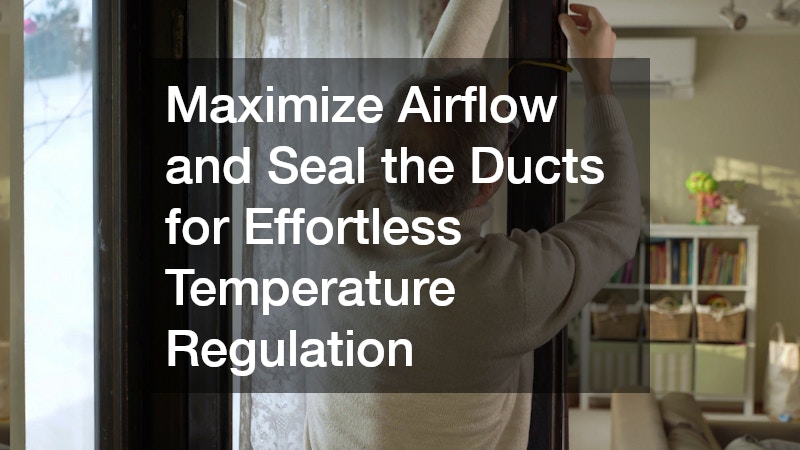
The climate control system is the undisputed heavyweight champion of your utility bill, often accounting for more than half of a home’s total energy consumption. When a system is neglected, it has to work twice as hard to achieve the same target temperature, drawing excessive power and shortening its operational lifespan. To keep this vital system running as lean as possible, homeowners must prioritize airflow and mechanical calibration.
- Commit to a Strict Filter Schedule: Change your system’s air filters every 30 to 90 days. A filter choked with dust, pet dander, and debris forces the blower motor to consume significantly more electricity just to push air through the house.
- Install a Smart Thermostat: Upgrade to a programmable or Wi-Fi-enabled thermostat. By automatically adjusting the temperature by 7 to 10 degrees when the house is empty or when the family is asleep, you can save up to 10% a year on heating and cooling expenses.
- Seal Exposed Ductwork: Inspect visible ducts in the attic, basement, or crawlspace. Use mastic sealant or metal-backed tape to seal gaps. Leaky ducts can cause up to 30% of conditioned air to escape before it ever reaches your living spaces.
- Clear the Exterior Perimeter: Maintain a two-foot clearance around outdoor condenser units. Remove weeds, leaves, and overhanging branches that could restrict airflow and trap heat around the equipment.
Beyond routine DIY tasks, professional oversight is essential for catching hidden inefficiencies. Small issues like a slow refrigerant leak, a failing capacitor, or misaligned blower belts can quietly spike your energy use long before the system completely breaks down. Relying on comprehensive heating and cooling inspections once or twice a year ensures that your equipment is carefully calibrated. Experienced technicians providing these vital HVAC services can measure electrical draw, test safety controls, and clean internal components that are entirely inaccessible to the average homeowner, guaranteeing peak performance when weather extremes hit.
Stop Drafts and Thermal Leaks at the Roofline and Entryways
No matter how efficiently your climate control system runs, you will still overpay on utilities if that conditioned air immediately escapes through the shell of your house. This boundary between the interior living space and the outdoors is known as the home envelope. Fortifying this barrier is one of the most effective ways to secure long-term, year-round savings.
The attic and the roofline are prime zones for energy loss. Because heat naturally rises, a poorly insulated attic acts like an open chimney in the winter, drawing warmth out of your living rooms. In the summer, an unventilated attic turns into a radiant oven, baking the rooms directly beneath it.
- Upgrade Attic Insulation: Check the depth of your current attic insulation. Upgrading to a modern standard, such as R-38 or R-60 depending on your climate zone, can shave a massive percentage off your seasonal bills.
- Inspect and Clear Ridge Vents: Ensure that your roof’s ventilation pathways are completely clear. Active airflow through the attic space prevents heat traps from forming during intense summer heatwaves.
- Apply Fresh Weatherstripping: Walk around your home and feel for drafts. Apply high-quality adhesive foam or V-strip weatherstripping along the moving tracks of windows and exterior entries.
- Install Heavy-Duty Door Sweeps: Slide a thick, durable sweep onto the bottom of all exterior doors to eliminate the visible gaps where cold air slips underneath.
When DIY fixes aren’t enough to curb the drafts, structural upgrades become necessary. If your roof is aging or showing signs of chronic heat damage, consulting a qualified roofer can reveal whether poor deck ventilation or compromised shingles are driving up your cooling loads. Simultaneously, if old, warped exterior entries are letting conditioned air bleed out into the yard, investing in a professional door installation can completely transform your home’s thermal efficiency. Modern insulated steel or fiberglass options offer multiple times the energy retention of older wood variants, paying for themselves over time through reduced energy demands.
Calibrate Fuel Burners and Compressors Before the Cold Weather Hits

When the seasons change and the thermometer plummets, your heating system takes center stage. Whether your home relies on a central furnace, a boiler, or an alternative fuel source, keeping these systems finely tuned prevents fuel waste and ensures your home stays safe from dangerous combustion byproducts.
Soot buildup and worn ignitors cause heating systems to short-cycle, meaning they turn on and off rapidly. This frequent cycling burns an immense amount of unnecessary fuel while failing to distribute heat evenly. Preventative care minimizes this waste and keeps your system humming smoothly.
- Schedule Pre-Season Maintenance: Arrange for an autumn safety check and burner cleaning. Cleaning the burner assembly ensures a highly efficient, clean fuel burn with minimal waste.
- Bleed Radiators Annually: If your home uses a hot water radiator system, use a radiator key to release trapped air from the valves. Trapped air prevents hot water from filling the unit entirely, leaving cold spots and forcing the system to run longer.
- Optimize Ceiling Fan Direction: Flip the directional switch on your ceiling fans to run clockwise at a very low speed during the winter. This creates a gentle updraft that pushes warm air down from the ceiling back into your living space.
For homes located in rural areas or those utilizing specialized heating configurations, fuel logistics play a major role in overall monthly costs. Working with a dedicated heating service helps ensure that your heat exchangers are free of cracks and your fuel delivery mechanisms are precisely pressurized. Furthermore, if your property relies on standalone tanks for its winter warmth, establishing a consistent relationship with reliable propane services allows you to take advantage of off-season fuel rates and automated delivery schedules, shielding your household budget from the volatile price spikes common during mid-winter freezes.
Flush Tank Sediment and Install Low-Flow Fixtures to Cut Water Bills

Water heating is quietly the second-largest energy expense in the average American household, accounting for roughly 18% of total utility expenditures. Every time someone takes a long shower, runs the dishwasher, or washes a load of laundry in hot water, the energy meter spins. Cutting these costs requires a two-pronged approach: reducing the amount of water you use and increasing the efficiency of the machine that heats it.
The primary enemy of water heater efficiency is mineral scale. Over time, naturally occurring calcium and magnesium in your water supply solidify and settle to the bottom of the tank. This forms a thick, rocky barrier between the heating element and the water. The machine must then burn hotter and longer just to penetrate the crust, degrading the appliance and inflating your gas or electric bill.
- How sediment impacts heating: Without proper maintenance, a thick layer of sediment settles at the bottom of the tank, acting as an insulating barrier that delays heat transfer and forces the system to run longer. Annual flushing allows the heating element to make direct contact with the water for instant, efficient heating.
- Flush the Tank Annually: Turn off the power or gas supply, attach a garden hose to the drain valve at the bottom of the water heater, and flush out the accumulated sediment until the water runs completely clear.
- Dial Back the Temperature: Lower the internal thermostat on your water heater to 120°F (49°C). Most factory settings default to 140°F, which creates unnecessary standby heat loss and poses a scalding risk.
- Insulate the First Few Feet of Piping: Wrap the hot and cold water pipes extending from the top of the water heater with foam pipe insulation sleeves to minimize ambient heat loss.
- Install Low-Flow Aerators: Screw high-efficiency aerators onto kitchen and bathroom faucets. These inject air into the water stream, cutting water volume usage by up to 30% while maintaining strong, satisfying pressure.
If your system is more than a decade old, it may be time to transition to modern technology. Consulting a reputable water heater company can give you insights into switching to a tankless, on-demand system or a highly efficient hybrid heat pump model. For broader household efficiency issues, such as hidden pipe leaks that quietly inflate your water consumption, bringing in a professional plumber can save thousands of gallons of wasted water per year. Identifying and repairing slow slab leaks or running toilets is an immediate way to bring your utility bills back down to Earth.
Audit Your Electrical Panel and Keep Condensers Running Lean

The modern home is filled with digital devices, major appliances, and sophisticated electronic systems. As our reliance on technology grows, so does our baseline electrical demand. Managing this electrical load involves auditing how your power is distributed and ensuring your high-draw cooling appliances are drawing power cleanly.
Degraded wiring, loose connections, and outdated electrical panels create localized electrical resistance. This resistance generates wasted heat, forcing your appliances to draw more total current from the grid to operate effectively. By optimizing your electrical backbone, you protect your appliances and ensure every watt you pay for is put to good use.
- Switch to LED Lighting: Replace any remaining incandescent or halogen bulbs with Energy Star certified LEDs. LEDs use up to 90% less energy and last up to 25 times longer.
- Deploy Smart Power Strips: Plug entertainment centers and home offices into smart power strips that completely cut power to peripheral devices when the primary device is turned off, eliminating vampire power draw.
- Clean Refrigerator Coils: Vacuum the dust and pet hair off the coils located at the back or bottom of your refrigerator every six months. Dirty coils prevent the fridge from shedding heat, increasing its power consumption.
- Smart Thermostat Setup ROI: Reduces heating and cooling costs by an estimated 10% to 15% annually.
- Attic Insulation to R-49 ROI: Lowers total heating and cooling demands by roughly 15%.
- Water Heater Flush & Temperature Drop ROI: Saves between 10% and 22% on water heating expenses.
- LED Bulb Transition ROI: Puts approximately $75 to $100 back in your pocket each year in electrical savings.
When dealing with deep-seated electrical issues or planning major upgrades, the expertise of professional electricians is invaluable. They can install whole-home energy monitors directly into your breaker box, allowing you to see exactly which circuits are consuming the most power in real-time. Simultaneously, when summer approaches, your cooling system needs to be assessed at an electrical level. Utilizing expert air conditioner services ensures that your cooling components are drawing the correct voltage and that your compressor isn’t pulling excessive electricity due to mechanical wear, keeping your home both safe and highly efficient.
Taking control of your utility costs does not require a complete overhaul of your lifestyle. Instead, it is the natural result of consistent, intelligent property maintenance and timely mechanical upgrades. By viewing your home as an interconnected web of systems—where the roof protects the insulation, the insulation assists the climate control, and the electrical grid powers it all smoothly—you can identify exactly where your hard-earned money is slipping through the cracks.
Begin your journey toward a more efficient home by focusing on the low-hanging fruit. Spend a weekend changing out old air filters, turning down your water heater’s thermostat, and installing smart power strips to curb phantom loads. Once those foundational fixes are in place, build a long-term budget to address the professional tune-ups, insulation upgrades, and mechanical replacements that will permanently shield your household from rising energy costs. With a proactive mindset and a commitment to routine upkeep, you can enjoy a comfortable, resilient home that costs significantly less to run.
When dealing with deep-seated electrical issues or planning major upgrades, the expertise of professional electricians is invaluable. They can install whole-home energy monitors directly into your breaker box, allowing you to see exactly which circuits are consuming the most power in real-time. Simultaneously, when summer approaches, your cooling system needs to be assessed at an electrical level. Utilizing expert air conditioner services ensures that your cooling components are drawing the correct voltage and that your compressor isn’t pulling excessive electricity due to mechanical wear, keeping your home both safe and highly efficient.
Taking control of your utility costs does not require a complete overhaul of your lifestyle. Instead, it is the natural result of consistent, intelligent property maintenance and timely mechanical upgrades. By viewing your home as an interconnected web of systems—where the roof protects the insulation, the insulation assists the climate control, and the electrical grid powers it all smoothly—you can identify exactly where your hard-earned money is slipping through the cracks.
Begin your journey toward a more efficient home by focusing on the low-hanging fruit. Spend a weekend changing out old air filters, turning down your water heater’s thermostat, and installing smart power strips to curb phantom loads. Once those foundational fixes are in place, build a long-term budget to address the professional tune-ups, insulation upgrades, and mechanical replacements that will permanently shield your household from rising energy costs. With a proactive mindset and a commitment to routine upkeep, you can enjoy a comfortable, resilient home that costs significantly less to run.