How to Reduce Electric Bill Charges with Smart Home Technology
For many homeowners, opening the electric bill at the end of the month can be a stressful experience. It often feels like a mystery. You try to remember to turn off the lights, and you try not to run the air conditioner too hard, but the numbers still seem to climb higher every year. In the past, saving energy required a lot of manual work. You had to walk around the house checking every switch and constantly fiddling with the dial on the wall. But today, things have changed. We are living in the age of the “Smart Home,” and this technology is a game-changer for your wallet.
If you are looking for how to reduce electric bill costs, smart technology is one of the most effective tools you can use. Smart home devices are not just fancy gadgets designed for convenience. When used correctly, they act like a personal energy manager that works 24 hours a day. They can spot waste that you might miss and fix problems automatically. In this guide, we will explore the world of smart home technology. We will look at everything from thermostats and light bulbs to smart plugs and energy monitors. By the end of this article, you will see exactly how these devices can pay for themselves by slashing your monthly power costs.
The Power of the Smart Thermostat
Heating and cooling are almost always the biggest expenses on a home energy bill. In the average American home, nearly half of the energy used goes toward keeping the air at the right temperature. This is why the smart thermostat is the “king” of energy-saving technology.
A traditional thermostat is a simple switch. You set a number, and it tries to keep the house at that temperature all day. The problem is that most of us forget to change the setting when we leave for work or go to bed. A smart thermostat solves this by learning your schedule. It uses sensors to know when you are home and when you are away.
When you ask how to reduce electric bill totals, the first answer is often to stop cooling an empty house. A smart thermostat can automatically raise the temperature by a few degrees when it senses that no one is home. Then, using your phone’s GPS, it can see when you are driving back and start cooling the house down just before you walk through the door. This ensures you are never uncomfortable, but you also aren’t wasting money on air conditioning for your furniture. Some studies show that a smart thermostat can save a homeowner up to 10% to 15% on their heating and cooling costs every single year.
Lighting the Way: Smart Bulbs and Switches
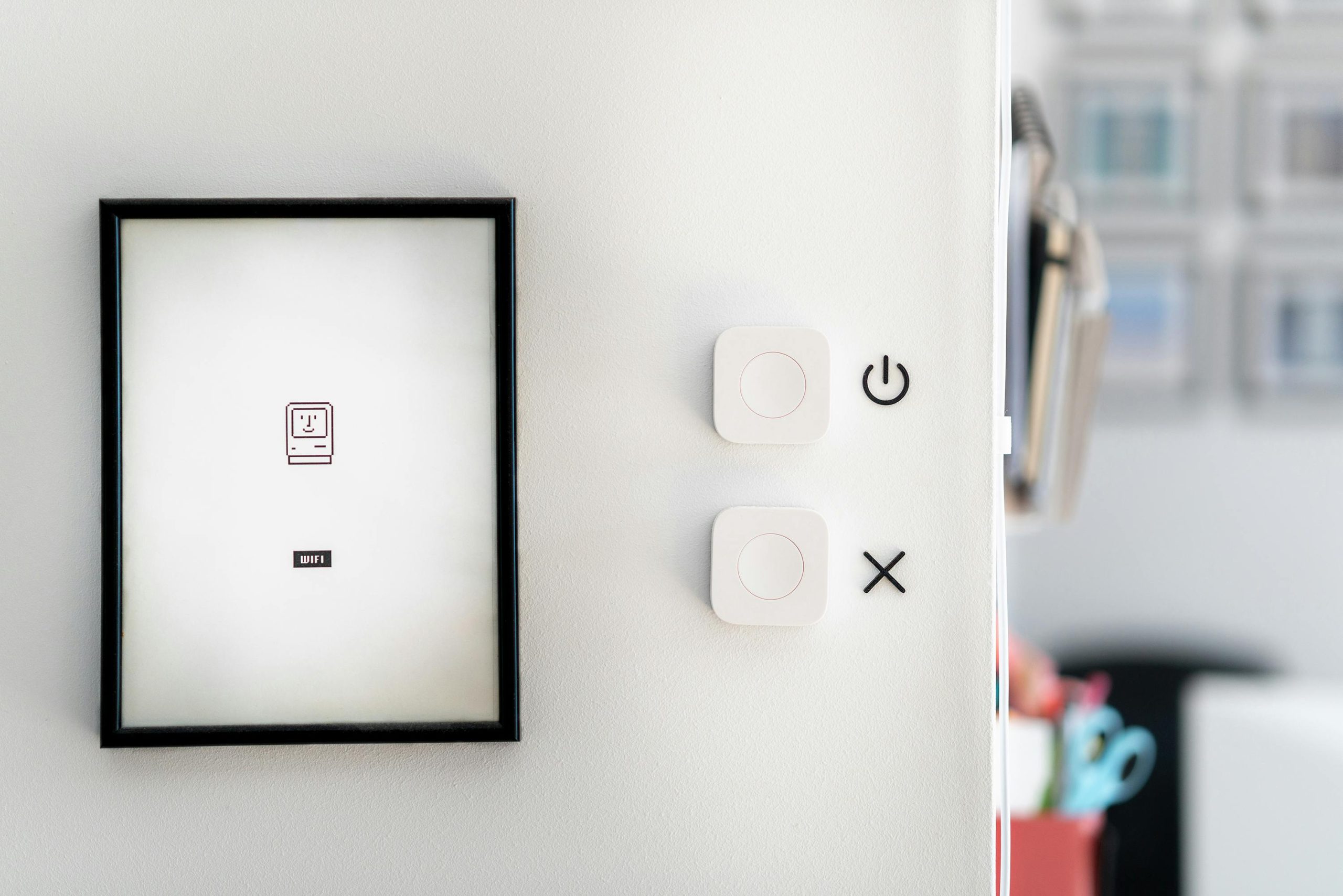
We have all heard the advice to “turn off the lights when you leave the room.” While this is great advice, humans are forgetful. We get distracted by a phone call or we have our hands full of groceries, and the kitchen light stays on for three hours. This is where smart lighting comes into play.
Smart bulbs are LED bulbs that connect to your home’s Wi-Fi. They use very little power to begin with, but their real strength is in their control. With a smart lighting system, you can set “scenes” or schedules. For example, you can program all the lights in your house to turn off automatically at 11:00 PM.
Even better, many smart systems include motion sensors. You can place these in hallways, bathrooms, or garages. The light only turns on when someone is in the room and turns off automatically after two minutes of stillness. No more worrying about the kids leaving the basement lights on all weekend. When you look at how to reduce electric bill waste, eliminating “forgotten lights” is one of the easiest wins you can get.
Stopping the “Vampires” with Smart Plugs
Did you know that many of the devices in your home are using electricity even when they are turned off? This is known as “vampire power” or “phantom load.” Devices like your television, coffee maker, microwave, and computer game consoles stay in a “standby” mode so they can turn on quickly. While a single device might only use a tiny bit of power, a whole house full of them can add up to 10% of your total electric bill.
Smart plugs are a brilliant solution to this problem. A smart plug is a small device that fits into your wall outlet. You then plug your appliance into the smart plug. Using an app on your phone, you can completely cut the power to that device.
For example, you could set a smart plug to turn off your home entertainment system every night at midnight and turn it back on at 6:00 PM when you get home from work. This physically disconnects the “vampire” from the power source. If you have a second refrigerator in the garage that you only use for parties, a smart plug can keep it off until you actually need it. These small changes are a key part of the strategy for how to reduce electric bill charges without changing your lifestyle.
Smart Appliances: Efficiency in the Kitchen and Laundry
If you are in the market for a new refrigerator, dishwasher, or washing machine, you should look for “smart” versions. While these often cost a bit more upfront, they are designed with energy savings in mind.
A smart dishwasher, for instance, can be set to run only during “off-peak” hours. In many cities, electricity is cheaper late at night when fewer people are using the power grid. You can load the dishwasher after dinner and tell it to start at 2:00 AM when the rates are at their lowest.
Smart washing machines can sense how heavy a load is and use exactly the right amount of water and energy to get the job done. Smart dryers use advanced sensors to stop the cycle the very second your clothes are dry, rather than running for a full 60 minutes regardless of the moisture level. These tiny adjustments happen every time you do chores, leading to big savings over the course of a year.
Energy Monitors: Seeing the Invisible
The most powerful tool for anyone wondering how to reduce electric bill costs is a smart energy monitor. Most of us only see our energy use once a month when the bill arrives. By then, it is too late to change anything.
A smart energy monitor is a device that a professional electrician installs in your main electrical panel. It “listens” to the electrical signatures of everything in your house. It can tell the difference between the hum of your refrigerator and the buzz of your toaster.
This data is sent straight to an app on your phone. You can see a real-time graph of how much money you are spending every second. If you turn on your hair dryer, you will see a spike on the graph. This is incredibly eye-opening. Many people find that a specific old appliance—like an ancient dehumidifier in the basement—is actually costing them $30 a month just by itself. Once you can “see” your energy, you can make smart decisions about what to replace or turn off.
Smart Window Treatments
It might surprise you, but your windows are a huge source of energy loss. In the summer, the sun shines in and heats up your rooms like a greenhouse. In the winter, the cold glass sucks the heat right out of your home.
Smart blinds and shades can connect to your smart home system to help manage this. They can be programmed to close automatically when the sun is at its brightest during the day, keeping your house cool and reducing the load on your air conditioner. In the winter, they can open during the day to let the sun naturally heat your rooms and then close at night to provide an extra layer of insulation. This is a “passive” way to save money that requires zero effort once it is set up.
The Importance of a “Hub”
To get the most out of your smart home, it helps to have a central hub or a smart speaker. This allows all your devices to talk to each other. For example, when you tell your smart speaker “Goodnight,” it can trigger a whole chain of events:
- The smart thermostat lowers the heat.
- All the smart lights turn off.
- The smart plugs for the TV and coffee maker shut down.
- The smart shades close.
This “one-touch” system ensures that you never miss a chance to save. It turns the complicated task of energy management into a simple habit.
Is Smart Tech Worth the Cost?
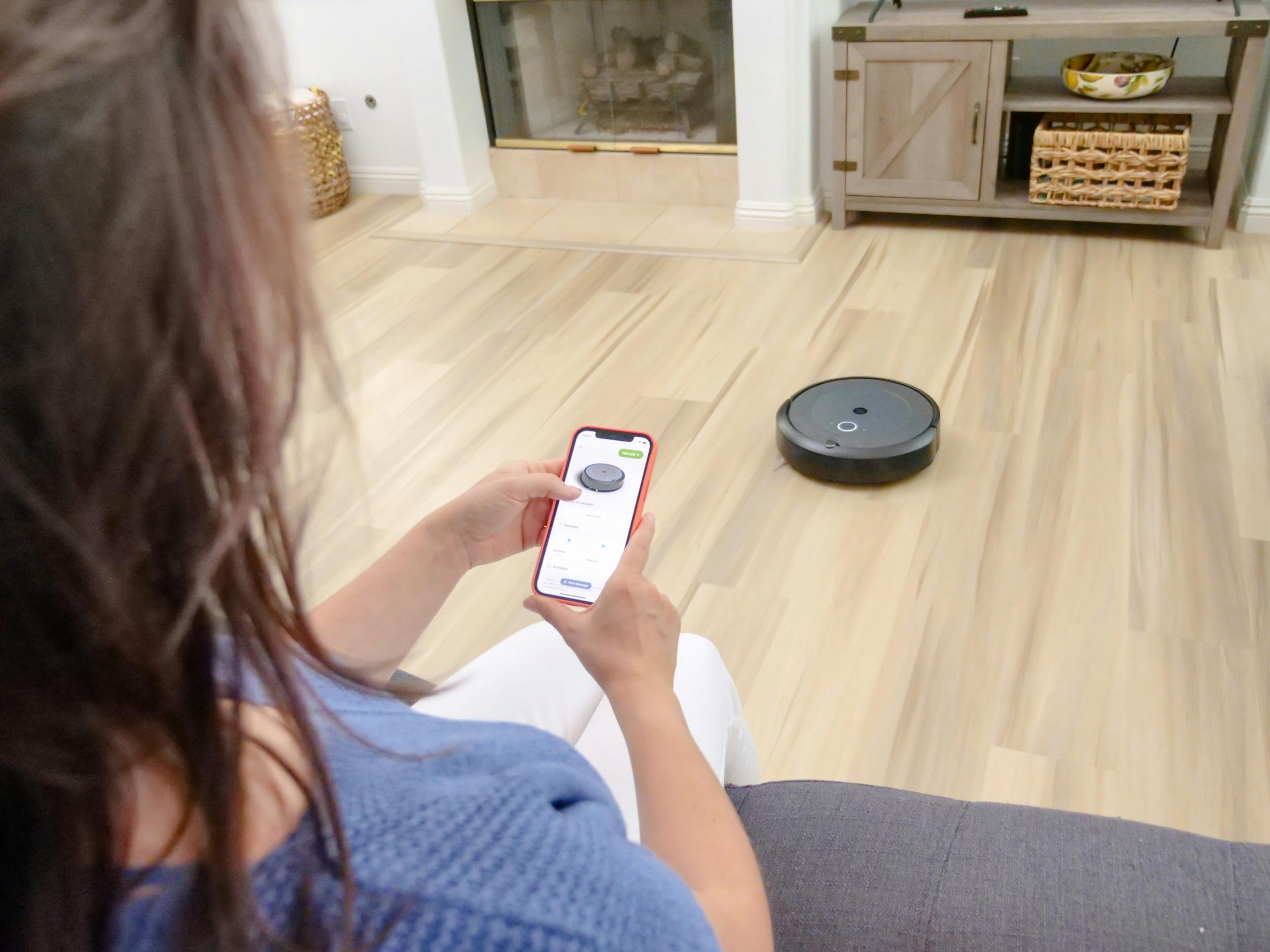
Some people hesitate to buy smart home devices because they cost more than “dumb” versions. A smart bulb might cost $10, while a regular LED is only $2. However, the question of how to reduce electric bill costs is a long-term game.
Most smart home devices pay for themselves within the first year or two. A smart thermostat that saves you $15 a month will pay for its own $150 price tag in just 10 months. After that, every dollar it saves is pure profit in your pocket. Furthermore, many utility companies offer “rebates” for smart home technology. They might give you a $50 credit or a free device just for installing a smart thermostat because it helps reduce the strain on the power grid.
Starting Small: Your Energy Saving Roadmap
You don’t have to turn your entire house into a high-tech laboratory overnight. If you want to know how to reduce electric bill charges starting today, here is a simple roadmap:
- Month 1: Buy a smart thermostat. It provides the biggest “bang for your buck.”
- Month 2: Identify your most-used lights and replace those bulbs with smart LEDs.
- Month 3: Get a pack of smart plugs for your “vampire” electronics like the TV and computer.
- Month 4: Install a smart energy monitor to find the hidden energy hogs in your home.
By spreading out the purchases, you can use the money you save on your first month’s bill to help buy the next piece of technology.
Conclusion
Technology is changing the way we live, and it is finally making it easier to save money. When you use smart home devices, you are no longer guessing at how to reduce electric bill costs. You are using data and automation to make your home as efficient as possible.
The beauty of smart home technology is that it adapts to you. It doesn’t ask you to sit in the dark or be uncomfortably hot. Instead, it finds the “waste” that provides no benefit to you and cuts it out of your life. Whether it’s a light left on in the attic or an air conditioner running for an empty house, smart tech catches the mistakes we all make.
Start small, pick one or two devices, and watch your bill begin to drop. Your wallet—and the planet—will thank you.