
How to Lower Your Cooling Costs: Strategic HVAC Tips for Summer Comfort
As the days get longer and the sun gets brighter, we all start looking forward to summer fun. We think about barbecues, swimming pools, and vacations. But for many homeowners, summer also brings a bit of dread. Why? Because the rising temperatures outside usually mean rising costs inside. When the heat hits its peak, your air conditioner has to work overtime to keep you comfortable.
Your HVAC (Heating, Ventilation, and Air Conditioning) system is the hardest-working appliance in your home during the summer months. It is also the most expensive to run. If you don’t have a plan, you might find yourself staring at a massive utility bill by August. The good news is that you don’t have to choose between being broke and being hot. By using a few strategic hvac tips for summer, you can keep your home cool while keeping your bank account full.
In this guide, we will explore how to manage your home’s climate like a pro. We will look at how your AC works, how to help it run more efficiently, and how to keep the heat out of your house in the first place. This 1,500-word deep dive will give you the tools you need to stay chill all summer long.
Understanding the “Heat Load”
Before we jump into the specific hvac tips for summer, we need to understand the goal. Your air conditioner’s job isn’t just to “make cold air.” Its real job is to remove heat from inside your house and move it outside.
Every house has what engineers call a “heat load.” This is the total amount of heat that builds up inside your rooms from the sun hitting the roof, the oven cooking dinner, and even the body heat from the people living there. The more heat you let in, the harder your HVAC system has to work. To lower your costs, you have to find ways to reduce that load so your AC can take a break.
1. Master the Thermostat “Sweet Spot”
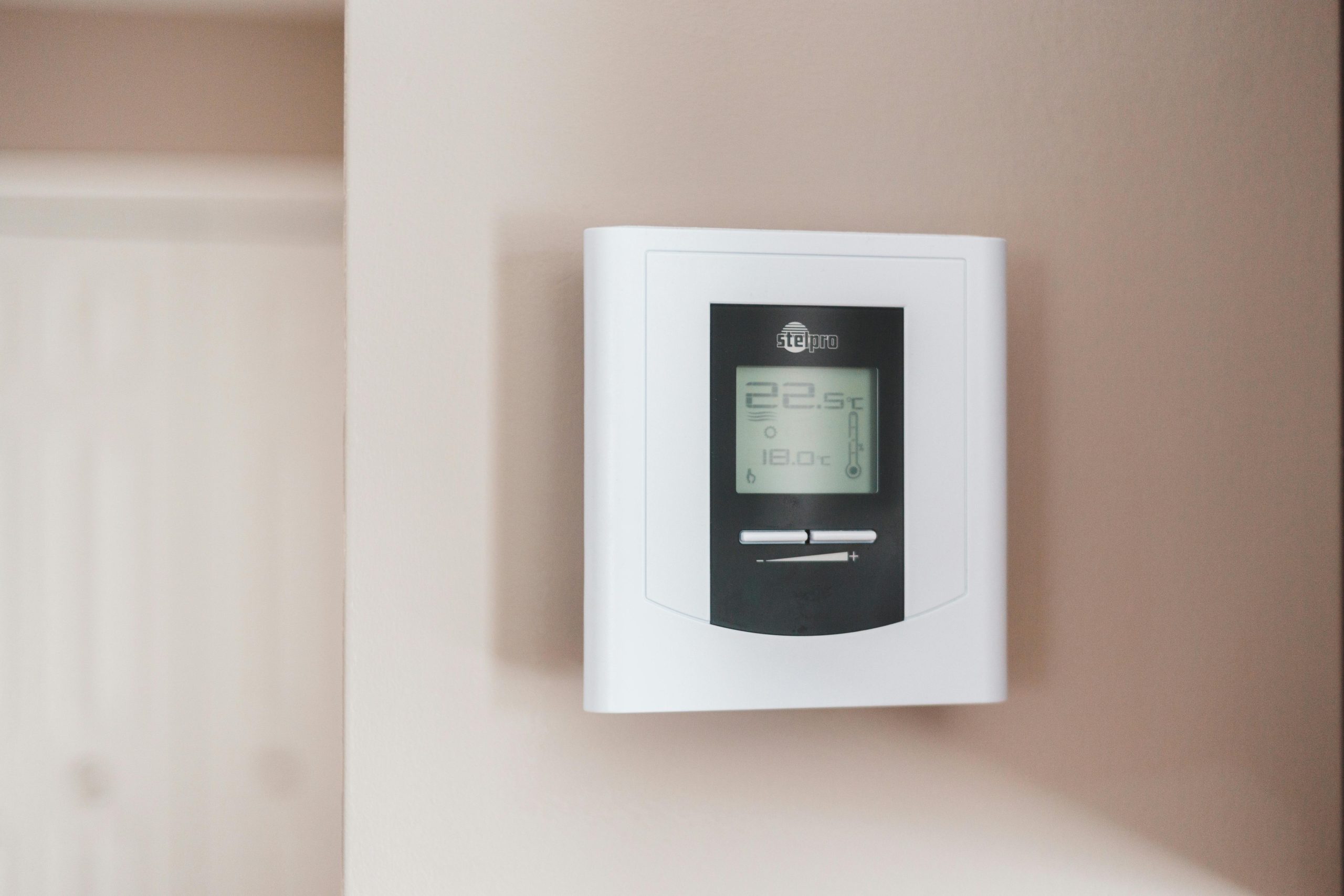
The most important of all hvac tips for summer starts at the thermostat. Many people make the mistake of “cranking it down” to 60 degrees when they get home, thinking it will cool the house faster. This is a myth. Your AC blows air at the same temperature regardless of the setting; it just runs longer to reach a lower number.
- Find the 78-Degree Mark: The Department of Energy recommends setting your thermostat to 78°F when you are home. While this might sound a bit warm at first, your body will adjust. For every degree you raise the temperature above 72°F, you can save up to 3% on your cooling costs.
- The “Away” Setting: When you are leaving the house for more than four hours, raise the temperature to 85°F. There is no reason to pay to cool an empty house.
- Avoid the “Off” Switch: Don’t turn the AC completely off on a 100-degree day. If the house gets too hot, the AC will have to work for hours to cool down the walls and furniture, which actually uses more energy than if you had just let it stay at 85°F.
2. The Ceiling Fan Secret
Ceiling fans are your HVAC system’s best friend, but only if you use them correctly. A fan doesn’t actually lower the temperature of a room. Instead, it creates a “wind-chill effect” on your skin.
- The 4-Degree Difference: When a ceiling fan is running, you can usually raise your thermostat by 4 degrees and feel just as comfortable. This is a huge win for your wallet.
- Check the Direction: In the summer, your fan blades should rotate counter-clockwise. This pushes the air straight down, creating that cool breeze.
- Fans are for People, Not Rooms: Because fans cool people and not air, you should turn them off when you leave the room. Running a fan in an empty room is just wasting electricity.
3. Maintain Your Airflow
Your HVAC system is like a set of lungs. It needs to “breathe” to work properly. If the airflow is blocked, the system has to work much harder to move the same amount of air. This is one of the most forgotten hvac tips for summer.
- Change Your Filters: This is the simplest maintenance task, yet it is the most important. A dirty filter blocks air and forces the blower motor to strain. Check your filter every 30 days during the summer. If it looks gray or dusty, swap it out.
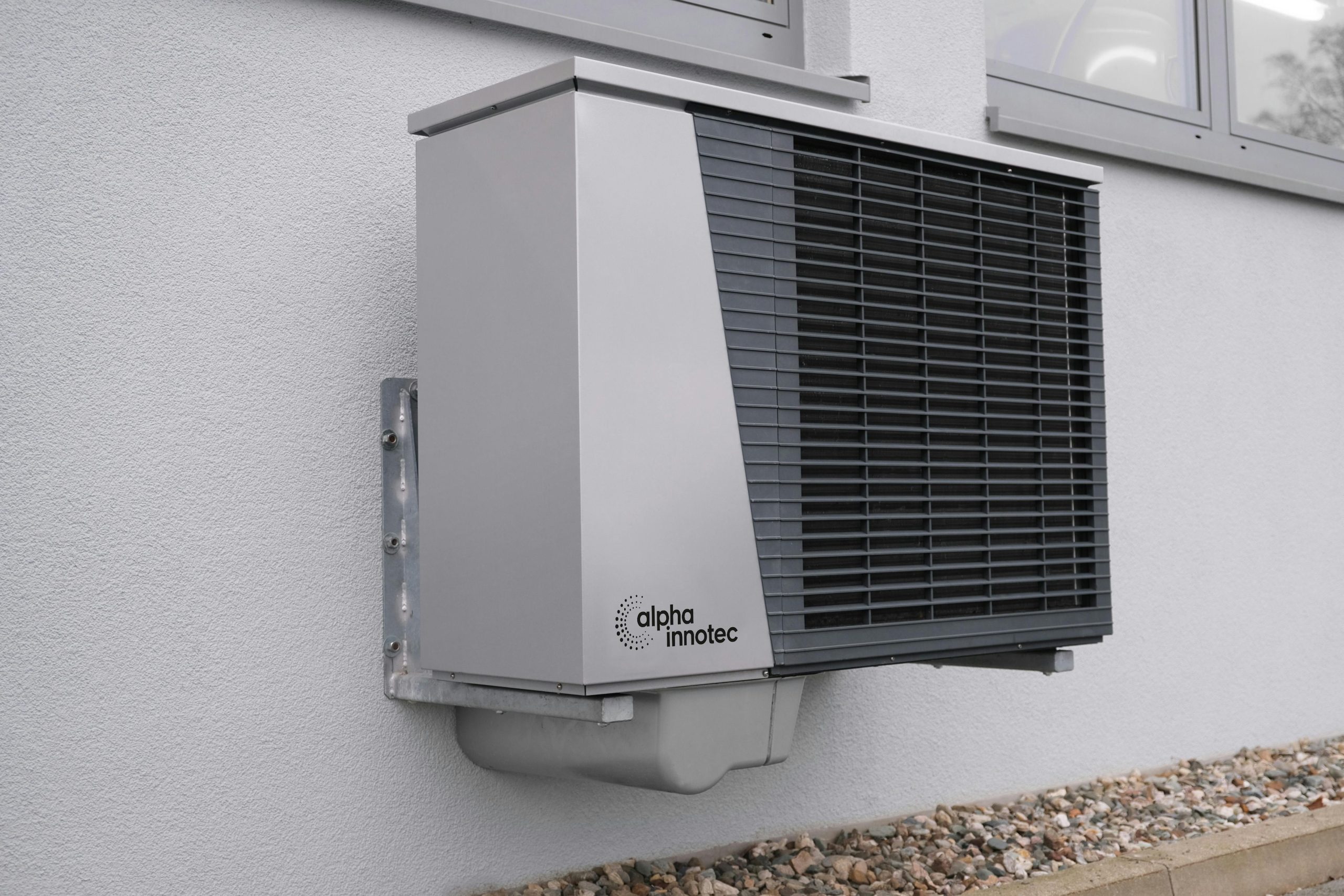
- Clear the Outdoor Unit: Go outside and look at your AC condenser. Is it covered in tall grass, weeds, or old leaves? Your outdoor unit needs at least two feet of clear space around it to release the heat it pulled from your house. Use a garden hose to gently spray off any dirt or “cottonwood” fuzz from the metal fins.
- Keep Vents Open: You might think closing vents in empty rooms saves money, but it actually unbalances the system and increases pressure in the ducts, which can lead to leaks. Keep at least 80% of your vents open at all times.
4. Stop the “Solar Gain”
No matter how good your AC is, it can’t fight the sun if your windows are wide open. “Solar gain” is when the sun’s rays enter your home and turn into heat.
- Close the Blinds: During the hottest part of the day (usually from 10:00 AM to 4:00 PM), close the curtains or blinds on the south and west sides of your house. This can block up to 70% of the solar heat from entering your living room.
- Reflective Treatments: If you have a room that gets particularly hot, consider adding a reflective window film. This allows you to see out but bounces the heat away before it can warm up your glass.
5. Manage Your Indoor Humidity
In many parts of the country, it isn’t just the heat that makes you miserable—it’s the humidity. High humidity makes it harder for your sweat to evaporate, which makes you feel hotter.
- Use the AC’s Dehumidifier: Your air conditioner naturally removes moisture from the air as it cools. However, if you are doing things that add moisture—like taking a long hot shower or boiling a big pot of pasta—you are making the AC’s job harder.
- Ventilation Fans: Always run the exhaust fan in the bathroom when you shower and in the kitchen when you cook. This pulls the hot, moist air out of the house before it can spread to the rest of the rooms.
6. Seal the Leaks
Imagine trying to keep a cooler full of ice cold while the lid is cracked open. That is exactly what happens when your house has air leaks. You are paying to cool the outdoors!
- The Incense Test: On a windy day, light a stick of incense and walk around your windows and doors. If the smoke blows sideways, you have a leak.
- Weatherstripping: Replacing old, cracked rubber seals around your doors is a cheap afternoon project. It keeps the cold air in and the humid air out.
- Check the Attic: Hot air from your attic can “leak” into your house through recessed lights and the attic hatch. Make sure these areas are sealed or insulated to keep the heat where it belongs.
7. Strategic Appliance Use
Believe it or not, your own appliances are working against your AC. Everything that uses electricity creates heat.
- Skip the Oven: On a 90-degree day, using the oven can raise your kitchen’s temperature by several degrees. Use a slow cooker, a microwave, or an outdoor grill instead.
- Laundry and Dishes: These machines create a lot of heat and humidity. Try to run them late at night or early in the morning when the outside temperature is lower. This is a great way to help how to reduce electric bill costs because it keeps the house cooler during the peak heat of the day.
8. Schedule a Professional Tune-Up
While many of these hvac tips for summer are DIY, some things require a professional. A spring tune-up is worth the investment.
- Refrigerant Levels: If your AC is low on refrigerant (freon), it will run constantly but never get the house truly cold. A pro can find leaks and top off the levels.
- Electrical Checks: A technician will check for loose wires or failing capacitors. It is much cheaper to replace a $50 part during a tune-up than to pay for an emergency repair on a Saturday afternoon when the temperature is 105 degrees.
- Coil Cleaning: The indoor evaporator coil can get covered in dust over time. A pro can clean this safely, which can improve your cooling efficiency by up to 15%.
Is It Time to Upgrade?
Sometimes, no matter how many hvac tips for summer you follow, an old system just can’t keep up. If your AC is more than 12 to 15 years old, it is likely using twice as much electricity as a modern “Energy Star” model.
- SEER Ratings: When shopping for a new unit, look at the SEER (Seasonal Energy Efficiency Ratio) rating. Older units might have a SEER of 8 or 10. Modern units can go as high as 20 or 25. The higher the number, the less it costs to run.
- Tax Credits: The government often offers tax credits and rebates for homeowners who upgrade to high-efficiency cooling systems or heat pumps. This can take a big chunk out of the initial cost.
Creating Your Summer Energy Plan
Saving money on cooling isn’t about one big change; it is about a dozen small habits that add up. To get started, try this simple weekly routine:
- Monday: Check your air filter.
- Wednesday: Walk around the outside of the house and clear away any debris from the AC unit.
- Friday: Check that all your blinds are closed before you leave for work.
- Daily: Use ceiling fans and set the thermostat to 78°F.
By being proactive, you are taking the “stress” out of summer. You can relax on your sofa, feel the cool breeze from your fan, and know that you aren’t being robbed by your utility company.
Why Efficiency Matters
Following these hvac tips for summer does more than just save you money. It also extends the life of your equipment. An AC that runs in short, efficient cycles will last much longer than one that is struggling 24/7 against open windows and dirty filters. You are protecting one of the most expensive parts of your home while keeping your family comfortable.
Conclusion
Staying cool in the summer doesn’t have to be a battle with your bank account. By understanding how to manage your “heat load” and using strategic hvac tips for summer, you can take control of your comfort.
Start with the easy things: change your filter, use your ceiling fans, and close your blinds. Then, move on to the bigger steps like sealing air leaks and scheduling a professional tune-up. Your HVAC system is a powerful machine, and with a little bit of care, it will keep you shivering happily all through the “dog days” of summer.