Energy-Efficient Upgrades That Will Help Modernize Your Home
Upgrading your home to be more energy-efficient not only helps the environment but can also reduce utility costs and increase the value of your property. This article will guide you through various energy-efficient upgrades that can modernize your home. By understanding these options, homeowners can make informed decisions that deliver both immediate savings and long-term benefits.
How can electrical contractors help improve energy efficiency?
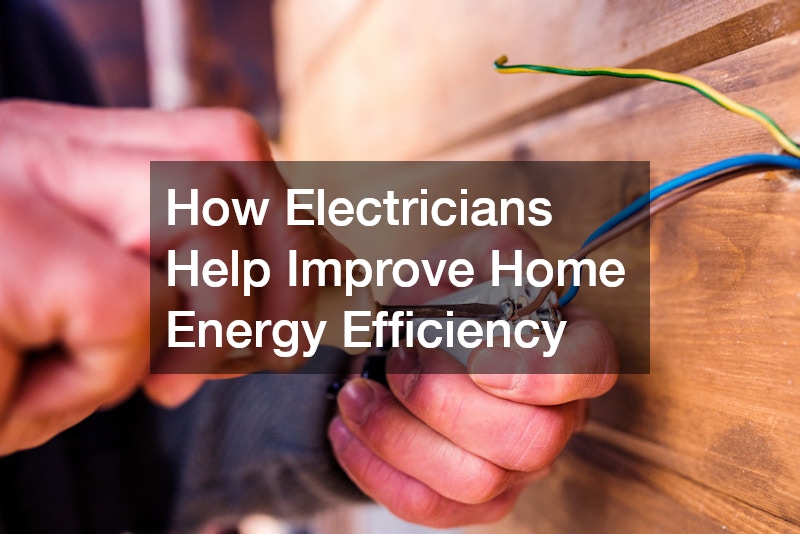
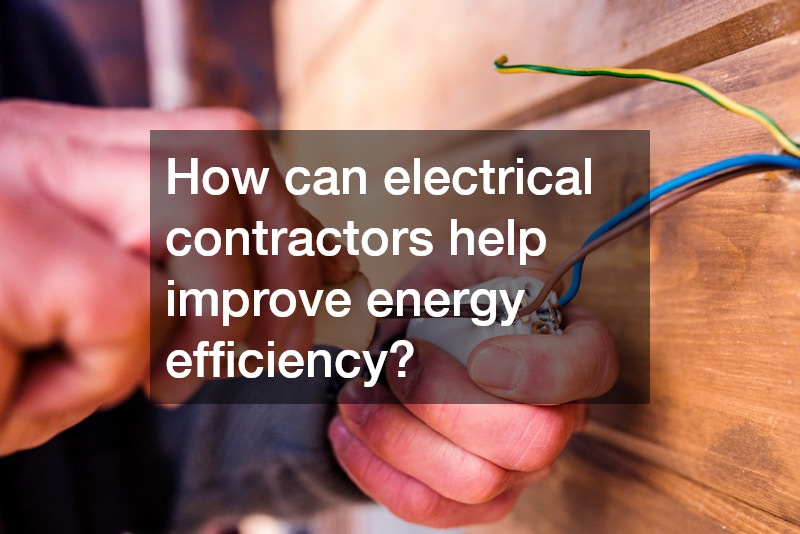
Electrical contractors play a critical role in enhancing a home’s energy efficiency. They can integrate smart home systems, allowing homeowners to control lighting and appliances remotely, which conserves electricity. Additionally, electrical contractors can recommend and install energy-efficient lighting such as LED bulbs, which consume less power and have a longer lifespan than traditional bulbs.
Moreover, electrical contractors can perform an energy audit to identify where energy-saving opportunities exist. By evaluating the electrical layout and usage, they can suggest the installation of energy-efficient appliances or solutions. This proactive approach not only conserves energy but also reduces monthly utility expenses.
Beyond lighting and appliances, electrical contractors can install advanced metering systems that provide insights into energy consumption patterns. This data empowers homeowners to make informed decisions about their energy use. These experts also ensure compliance with local energy standards, further optimizing energy efficiency.
What role does roofing play in energy-efficient roofing?
A roofing contractor is pivotal in ensuring your home remains energy-efficient, particularly in relation to temperature regulation. They can install roofs made of reflective materials that reduce heat absorption during the hottest months. By maintaining cooler indoor temperatures, the burden on HVAC systems decreases, ultimately lowering energy consumption. This approach also helps extend the lifespan of cooling equipment by reducing operational strain.
Quality insulation is another key element that roofing contractors focus on. Proper insulation prevents heat loss during winter and ensures cool air remains inside during summer. By optimizing insulation, energy use is reduced, leading to significant cost savings over time. Consistent indoor temperatures also improve overall comfort throughout the home.
Moreover, roofing contractors can incorporate innovative technologies such as solar shingles, which generate electricity while protecting your home. By adapting these cutting-edge solutions, homeowners can attain a dual benefit of energy production and conservation. Professional roofing consultations also ensure that any installations meet the standards necessary for maximizing energy savings. This expert guidance helps homeowners select solutions that align with both budget and long-term efficiency goals.
How does siding contribute to home energy savings?
Siding contractors significantly influence a home’s energy efficiency by selecting and installing materials that enhance thermal performance. High-quality siding acts as an additional layer of insulation, keeping homes warmer in the winter and cooler in the summer. This temperature regulation leads to reduced reliance on heating and cooling systems, conserving energy and cutting costs.
Advanced siding options, such as insulated vinyl or fiber cement, provide superior energy efficiency. These materials not only boost insulation but also have durability, reducing the need for frequent replacements. Selecting the right siding ensures a balance between aesthetic appeal and energy conservation.
In addition to material choice, siding contractors ensure that installations are air-tight to prevent unwanted drafts. By sealing gaps and cracks, they stop unwanted air infiltration that could compromise interior comfort. This tight seal enhances the energy-saving capabilities of the siding, promoting a more sustainable living environment.
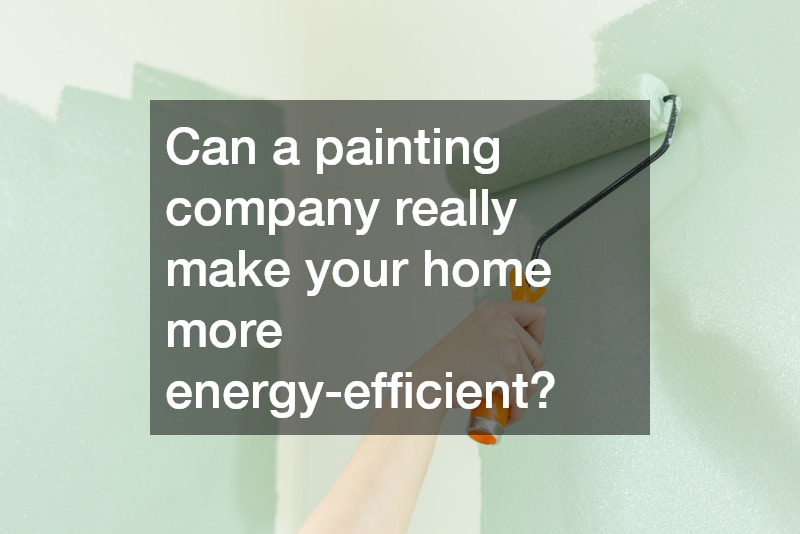
Can a painting company really make your home more energy-efficient?
A painting company can indeed enhance a home’s energy efficiency through strategic color selections and technology. Light-colored or reflective paints on exterior surfaces help deflect sunlight, reducing heat gain inside the house. This method, known as a “cool roof” technique, decreases the need for air conditioning during hot days.
Beyond exteriors, a painting company can also advise on choosing colors that improve interior lighting efficiency. Lighter shades reflect more light, enhancing natural and artificial illumination and reducing the need for additional lighting. This not only conserves electricity but also enhances the ambiance within the home.
Additionally, advanced paints can be used that provide insulation properties. These paints contain special additives that help prevent heat loss during the colder months. Thus, in collaboration with painting companies, homeowners can utilize innovative paints to achieve a balance of comfort and energy sustainability.
What are the benefits of solar shade installation?
Solar shade installation is an effective method to boost home energy efficiency. These shades are designed to block out harmful UV rays while regulating indoor temperatures. By minimizing direct sunlight, they prevent excessive heating inside rooms, reducing the demand for cooling systems. This reduction in heat gain helps HVAC systems operate more efficiently. Over time, homeowners often notice improved comfort and lower cooling costs.
Moreover, solar shades contribute to protecting interior furnishings from UV damage. Prolonged exposure to sunlight can cause fading of carpets, upholstery, and artwork, necessitating replacements. Energy-efficient shading solutions also maintain privacy without compromising on natural light entry. This balance allows rooms to remain bright while avoiding excessive glare. As a result, living spaces feel more comfortable and visually appealing.
Solar shade installation offers a cost-effective way to lessen energy consumption. By controlling the interior climate naturally, homeowners can enjoy reduced energy bills. This affordable upgrade not only enhances comfort but also adds an extra layer of energy savings to residential spaces. Installation is typically non-invasive and quick, minimizing disruption to daily life. Over time, the return on investment becomes evident through consistent energy savings.
Is it worth upgrading your pool heating system?
Upgrading a pool heating system can significantly enhance energy efficiency, especially for those who enjoy year-round swimming. Investing in a solar pool heating system can save energy by using renewable solar power instead of electricity or gas. The initial installation might cost more, but the long-term savings and environmental benefits make it a smart choice. Solar systems also require minimal ongoing maintenance compared to traditional heaters. This reliability further improves their overall value.
Advanced heat pumps are another efficient option for pool heating. They extract heat from the air and transfer it to the pool water, consuming less energy than traditional heaters. Pool heating systems, when optimized, reduce the dependency on conventional energy sources, aligning with sustainable living goals. Heat pumps perform especially well in moderate climates. Their efficiency helps extend the swimming season without excessive energy use.
Regular maintenance and optimization of existing pool heating systems also increase efficiency. By ensuring your heating systems are operating at peak performance, energy waste is minimized. With proper upgrades and maintenance, pool owners can indulge in leisure while maintaining a green footprint. Routine inspections can also identify minor issues before they become costly repairs. This proactive approach supports both sustainability and long-term savings.
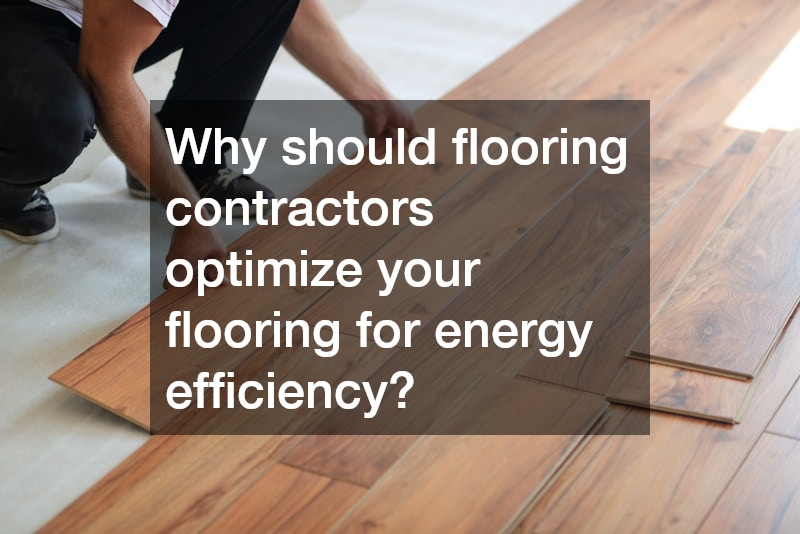
Why should flooring contractors optimize your flooring for energy efficiency?
Flooring contractors play an essential role in optimizing residential energy efficiency through the materials and technologies they utilize. Certain flooring types, like cork and bamboo, offer better insulation properties, conserving energy by maintaining ambient temperatures. These eco-friendly materials not only boost efficiency but also provide a sustainable option for environmentally-conscious homeowners. In addition, they help reduce heat loss through floors, particularly in homes with slab foundations. Over time, this improved insulation contributes to consistent indoor comfort and lower energy demand.
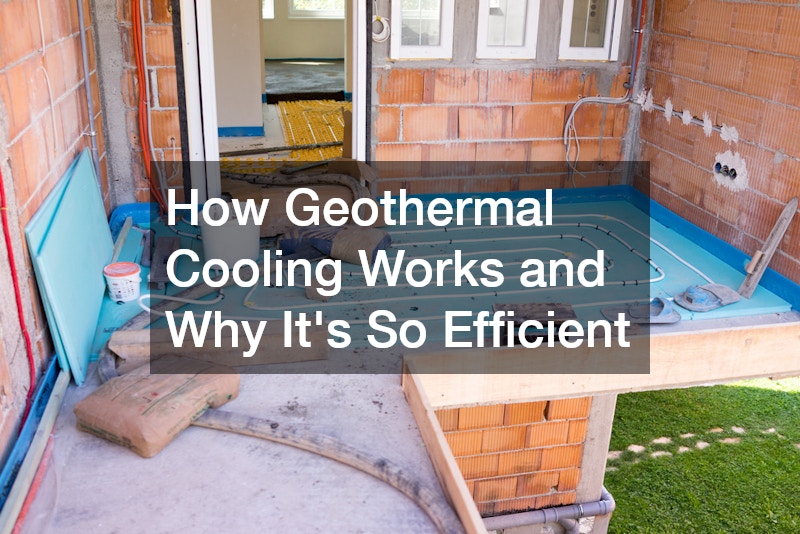
Underfloor heating systems are another innovation that flooring contractors can offer. These systems distribute heat evenly, reducing the need for central heating and consuming less energy overall. By heating the home more effectively, utility bills can see a considerate reduction. Underfloor heating also operates at lower temperatures than traditional systems, increasing efficiency. This approach creates a more comfortable living environment without excessive energy use.
Flooring installations such as carpets can also enhance energy savings by providing thermal resistance, trapping warmth during colder months. Skilled flooring contractors ensure proper installation to maximize these benefits, leading to improved energy efficiency. Choosing the right contractor equips homeowners with the best materials and solutions for a sustainable future. Proper padding and installation techniques further enhance insulation performance. Together, these considerations help homeowners achieve lasting energy and cost savings.
How does upgrading kitchen equipment save energy?
Upgrading kitchen equipment is one of the straightforward ways to boost energy efficiency in your home. Modern appliances like ENERGY STAR-rated refrigerators, dishwashers, and ovens are designed to consume less electricity. By replacing outdated appliances with newer models, homeowners can achieve significant cuts in energy bills. In many cases, newer appliances also perform tasks faster and more efficiently, reducing overall run time. This combination of efficiency and performance makes appliance upgrades a practical long-term investment.
Smart kitchen appliances also provide real-time data on usage, allowing for more efficient management of energy consumption. These devices can be programmed to operate during non-peak hours, when energy rates are lower, resulting in further savings. Optimizing kitchen equipment ensures essential home functions are maintained sustainably. Over time, usage insights help homeowners identify patterns and make informed adjustments. This level of control supports both cost savings and responsible energy use.
Besides appliances, kitchen lighting and fixtures play a role in energy efficiency. Installing LED lights or motion sensors in the kitchen can drastically reduce electricity waste. Equipped with the right kitchen tools, households can prepare meals efficiently while also conserving energy. LEDs also generate less heat, reducing the cooling load on nearby appliances. Together, these lighting improvements contribute to a more efficient and comfortable kitchen environment.
Are window glass replacements a good investment for energy savings?
Investing in window glass replacements can significantly elevate a home’s energy efficiency. Double-paned or triple-paned windows with gas inserts offer better insulation than single-pane counterparts. These modern window solutions reduce heat transfer, thereby maintaining a stable indoor climate and decreasing HVAC reliance. As a result, heating and cooling systems operate less frequently, lowering energy consumption. Homeowners often notice improved comfort throughout the year.
Low-emissivity (Low-E) glass coatings further enhance window efficiency by reflecting heat back into the room. This feature becomes crucial during winters, keeping warmth inside and utility costs down. Window replacements that incorporate Low-E coatings are a worthwhile investment for sustainable living. During warmer months, these coatings also help block unwanted solar heat. This year-round performance makes Low-E glass especially cost-effective.
Additionally, window replacement experts ensure airtight installations to prevent drafts and unwanted thermal exchange. By sealing gaps and enhancing insulation, overall energy savings are maximized. In addition to financial benefits, new windows also enhance home comfort and value. Proper installation reduces noise infiltration and improves indoor air quality. These added benefits further strengthen the return on investment for window upgrades.
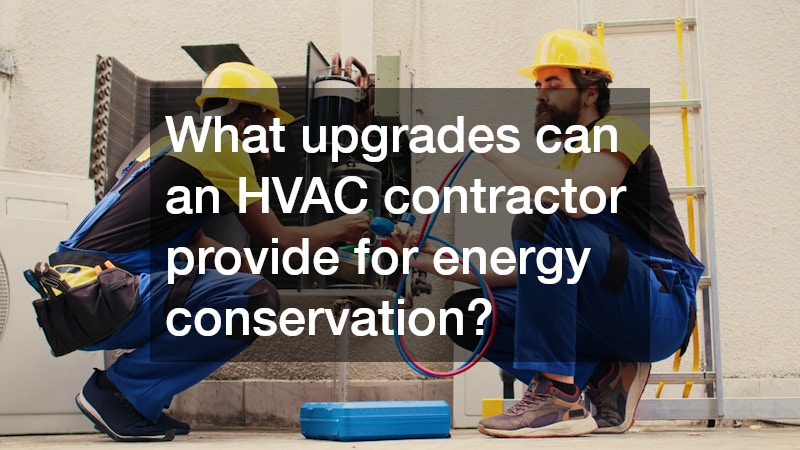
What upgrades can an HVAC contractor provide for energy conservation?
HVAC contractors bring a wealth of expertise in optimizing residential energy consumption through tailored solutions. They can upgrade systems to energy-efficient models that use less power while ensuring comfort. Modern HVAC units with superior SEER (Seasonal Energy Efficiency Ratio) ratings are designed to operate more efficiently than older models. These advanced systems reduce strain on components, resulting in fewer breakdowns and lower long-term maintenance costs. Homeowners also benefit from more consistent temperature control and improved indoor air quality.
In addition, HVAC contractors offer smart thermostats that allow precise control of heating and cooling settings. These devices learn user preferences and adjust automatically to increase efficiency while maintaining desired temperatures. Such technology-driven upgrades lead to considerable energy and cost savings. Many smart thermostats can be controlled remotely, giving homeowners flexibility and real-time energy insights. This level of control helps prevent unnecessary energy use during unoccupied hours.
Routine system maintenance is another critical service HVAC contractors provide to enhance efficiency. By conducting regular inspections and repairs, they ensure the system operates at peak performance. Proper maintenance extends equipment lifespan and nurtures a more energy-conscious household. Clean filters, calibrated components, and early detection of issues all contribute to reduced energy waste. Over time, consistent maintenance helps homeowners avoid costly emergency repairs and unexpected system failures.
Implementing these energy-efficient upgrades can make your home more sustainable, reduce utility bills, and increase its market appeal. By selecting the right contractors and making informed choices, you invest in a more energy-efficient future. Over time, these improvements can deliver measurable returns through lower operating costs and improved indoor comfort. Many upgrades may also qualify for tax credits, rebates, or local incentive programs, further enhancing their value. Together, these benefits position your home as a smarter, more resilient long-term investment.