How Efficiency Affects Your Monthly Utility Bills
Every month, homeowners open their utility bills with a sense of anticipation, hoping for a manageable number. However, heating, cooling, power, and water expenses fluctuate wildly based on seasonal changes and underlying household consumption. Energy and resource efficiency is not merely an environmental consideration; it is a direct lever for controlling your home’s ongoing operating expenses. When a house operates inefficiently, energy escapes through hidden gaps, equipment strains beyond its design capacity, and precious resources are wasted continuously. Understanding the underlying mechanics of household resource usage empowers you to transition from passive bill-paying to proactive property management.
The connection between residential efficiency and financial savings rests on the relationship between consumption and output. Efficiency measures how effectively your home transforms utility inputs, such as electricity, natural gas, and municipal water, into comfort, lighting, and functional utility. An inefficient home requires significantly more energy to achieve the same internal temperature or perform basic daily routines. By identifying where wasted energy occurs and systematically addressing those vulnerabilities, you can stabilize your monthly overhead, reduce wear on crucial home systems, and maintain a high standard of living without overpaying for essential utilities.
Managing Thermal Envelope and Climate Controls
Conduct a Thorough Draft Audit Around Windows and Doors
A home thermal envelope serves as the protective barrier separating your conditioned indoor air from the fluctuating outdoor elements. Air leaks around window frames and door jambs act as constant drains on your climate control systems. To stop air infiltration, inspect the exterior perimeter of all windows and doors for cracked caulk or deteriorated weatherstripping. Hold a lit candle or incense stick near frame edges on a windy day to spot drafts visually. Seal small gaps with high-grade exterior silicone sealant, and apply self-adhesive foam or V-channel weatherstripping along door stops and window sashes. Replacing worn door sweeps at the base of exterior doors creates a tight bottom seal that prevents low-level drafts from chilling your living areas.
Upgrade Old Double-Pane Glass with High-Performance Glazing
When window frames are structurally sound, but the glass units allow significant thermal transfer, targeting the glass itself yields immediate utility savings. Drafty or foggy windows often indicate blown seals, meaning the insulating gas layer between panes has leaked out. Scheduling a professional window glass replacement allows you to upgrade to modern low-emissivity glass options without replacing the full frame assembly. Low-emissivity coatings reflect radiant heat back toward its source, keeping winter warmth inside and blocking unwanted summer solar heat gain. Choosing double or triple-pane units filled with argon gas creates a dense thermal barrier, dramatically reducing heat conduction through the glass and keeping indoor temperatures steady.
Add Modern Thermal Barriers to Unconditioned Attic Space
Attics are primary zones for radiant heat accumulation during summer and major heat loss routes in winter. Because warm air naturally rises, inadequate attic insulation lets expensive heated air drift out through the roof in cold weather. Inspect your attic floor to check the depth and condition of existing material. If the material sits level with or below the floor joists, adding loose-fill cellulose or fiberglass batt material creates an unbroken thermal blanket. Selecting a certified insulation supplier ensures you obtain materials with the correct R-value rating tailored to your regional climate zone. Covering access hatches with insulated box covers prevents warmth from leaking into the attic space.
Optimizing Heating and Air Conditioning Systems
Schedule Bi-Annual Tune-Ups for Complete System Optimization
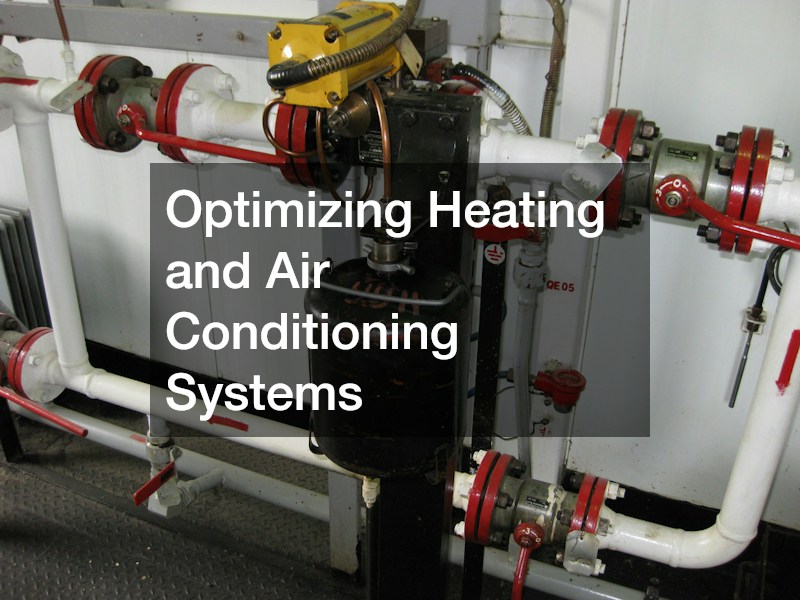
Heating and cooling account for more than half of the typical home energy expenditure, making peak mechanical efficiency essential for cost control. Neglected heating and cooling units accumulate dust on coils, experience mechanical wear, and suffer from declining refrigerant levels, forcing them to run longer cycles to keep up with thermostat settings. Partnering with a licensed HVAC contractor ensures your system receives annual or bi-annual professional inspections. Technicians clean evaporator and condenser coils, calibrate thermostat sensors, test electrical connections, and verify system pressures. This preventative maintenance restores factory operating parameters, eliminates unnecessary energy drag, and extends the operational lifespan of expensive mechanical equipment.
Upgrade Aging Furnace Equipment to Modern Variable-Speed Models
Older, traditional central heating systems operate on a simple binary model, running at maximum output regardless of whether your home needs a gentle temperature adjustment or a major heat boost. Upgrading to a modern heat pump provides an exceptionally efficient alternative for year-round temperature control. Rather than generating heat through combustion or electrical resistance, these advanced systems transfer ambient thermal energy between indoor and outdoor air. Variable-speed compressors automatically adjust their output to match real-time heating or cooling demands, operating at lower power levels for extended periods. This continuous, low-energy operation keeps indoor temperatures stable while avoiding the costly energy spikes caused by constant stopping and starting.
Maintain Air Filters and Clean Ductwork Regularly
Even top-tier climate equipment loses efficiency when forced to push air through restricted passages or dirty filters. Clogged air filters reduce airflow, forcing fan motors to work harder and run longer to deliver conditioned air to living spaces. Replace disposable furnace filters every thirty to ninety days, choosing medium-efficiency filters that catch airborne particles without choking system airflow. Additionally, inspect visible ductwork in basements, attics, and crawlspaces for loose joints or crushed sections. Sealing duct joints with metal-tape or mastic sealant prevents conditioned air from escaping into unconditioned spaces, ensuring every bit of generated heat or cooling reaches your living rooms.
Enhancing Water Heating and Plumbing Infrastructure

Insulate Storage Tanks and Hot Water Distribution Pipes
Water heaters operate continuously to maintain hot water supplies, incurring steady standby energy losses even when no fixtures are running. Uninsulated distribution pipes lose heat as water travels from the heater to distant faucets, forcing you to run taps longer to get warm water. Wrap older water heater tanks in factory-approved insulating jackets to slow standby thermal loss, especially if the unit sits in an unheated garage or basement. Snap pre-slit foam pipe insulation over all accessible hot water pipes, particularly the first six feet extending from the heater. This quick project keeps water warmer during transit, lets you turn down the main temperature setting, and speeds up hot water delivery.
Address Hidden Leaks and Plumbing Fixture Drips Promptly
Unnoticed plumbing leaks waste thousands of gallons of water annually, driving up municipal water and sewer charges while consuming electricity or gas to heat wasted water. A steadily dripping faucet can waste several gallons daily, while a running toilet quietly drains hundreds of gallons over a week. Check toilets regularly by adding a few drops of food coloring into the upper tank; if color appears in the bowl before flushing, replace the worn flapper valve immediately. If you spot moisture collecting beneath your utility appliances or notice unexplained pressure drops, hire a local plumbing company to diagnose hidden supply pipe fractures or replace leaking valve stems before minor drips turn into major water damage.
Take Immediate Action on Utility Appliance Failure Indicators
Utility appliances usually show subtle warnings before complete mechanical failure, giving attentive homeowners time to act before severe damage occurs. A water heater leaking around its lower drain valve or base pan signals thermal stress, internal tank corrosion, or an failing relief valve. Allowing a water heater to leak unaddressed leads to continuous water loss, extra heating energy consumption, and structural water damage. Replacing an aging, inefficient tank unit with a modern tankless model heats water on demand, eliminating standby energy loss entirely and keeping water heating costs predictable.
Streamlining Electrical Systems and Power Management
Balance Household Electrical Loads and Upgrade Aging Service Panels
Modern homes run dozens of electronics, smart devices, and high-draw appliances simultaneously, placing heavy demands on home electrical infrastructure. Inefficient electrical delivery, loose wiring connections, and overloaded circuits cause unwanted resistance, transforming electrical energy into wasted heat within your walls. Hiring a qualified electrician to inspect your primary service panel ensures circuit breakers, bus bars, and wiring connections remain tight and properly balanced. Upgrading an outdated fuse box or undersized panel reduces line resistance, stabilizes power distribution, and provides dedicated, high-efficiency circuits for energy-heavy appliances like induction stoves, heat pump dryers, and electric vehicle chargers.
Shift High-Energy Appliance Use to Off-Peak Hours
Many power utility companies charge variable rates for electricity depending on total grid demand throughout the day. Peak hours typically occur during late afternoon and early evening when commercial and residential use overlap, resulting in higher per-kilowatt rates. You can lower monthly electric bills without changing overall consumption by shifting energy-intensive tasks to off-peak periods. Run clothes washers, dishwashers, and dryers late at night or early in the morning. Many modern appliances feature delay-start timers, letting you schedule cycles during low-demand hours when power rates are lowest.
Eliminate Phantom Energy Draw Across Home Electronics
Dozens of household devices draw small amounts of electricity even when turned off. Television sets, game consoles, microwave displays, and device chargers draw continuous standby power to maintain internal clocks, wireless readiness, and quick-start modes. Over a year, this phantom load adds up to a noticeable expense. Eliminate phantom power loss by plugging entertainment centers and desktop computer setups into smart power strips. These smart strips cut off power to secondary devices when the primary master device turns off. Unplugging portable chargers when devices reach full battery levels also stops unnecessary energy drain.
Exterior Home Envelope and Drainage Management
Direct Water Runoff Away from Foundations and Crawlspaces
Home energy efficiency extends beyond interior walls and attic spaces; exterior structural protection plays a vital supporting role. Poor roof drainage allows rainwater to pool around foundation walls, soaking the surrounding soil and raising moisture levels in basements and crawlspaces. Damp basement air takes much more energy to heat and cool than dry air, putting extra stress on your HVAC equipment. Investing in an efficient gutter installation ensures roof runoff collects properly and flows safely away from your foundation. Pairing clean gutters with extended downspouts keeps basements dry, prevents foundation damage, and keeps indoor humidity levels easy to manage.
Maintain On-Site Water Delivery Systems for High Efficiency
Homeowners relying on private water systems face unique efficiency challenges, as water delivery relies entirely on electricity to power deep-well pumps and pressure tanks. A well pump that cycles constantly due to a failing pressure tank bladder or leaking check valve draws substantial electricity and wears out prematurely. Scheduling routine well service ensures your pressure tank maintains correct air pre-charge levels, pressure switches trigger cleanly, and submerged pump motors operate at peak electrical efficiency. Keeping these water systems tuned maintains consistent household water pressure while eliminating unnecessary electrical cycles.
Install Shading Elements and Exterior Thermal Buffers
Solar heat gain through exterior walls and windows can double summer cooling needs. Integrating smart landscaping and exterior shading strategies stops solar radiation before it hits your home’s thermal boundary. Plant deciduous trees along southern and western exposures to cast deep shade over roofs and walls during summer, while letting natural sunlight through during winter when leaves drop. Installing exterior awnings, shade sails, or adjustable window shutters over sun-exposed windows blocks direct sunlight, lowering interior room temperatures and reducing the need for heavy air conditioning.
Smart Technology Integration and Daily Habits
Program Smart Thermostats to Match Your Household Schedule
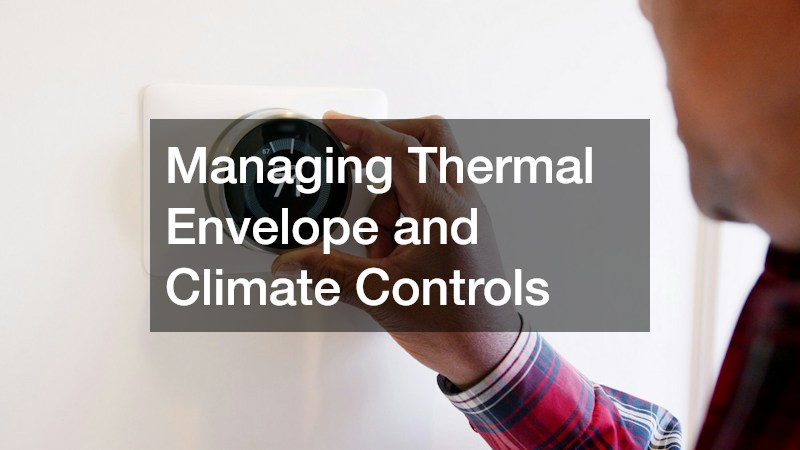
Even high-efficiency heating and cooling systems consume excess energy if left running at full blast while your home is empty. A programmable smart thermostat automates climate control, adjusting temperatures based on your daily routine. Set the thermostat to lower heating or ease up on air conditioning while family members are at work or school, and program it to return to comfortable levels right before everyone returns. Smart thermostats learn your preferences over time, automatically adjusting run times based on outdoor weather conditions to keep energy use low without sacrificing comfort.
Adopt Energy-Conscious Lighting and Daily Water Practices
Small daily habits add up to major utility savings over time. Simple shifts in how your household uses lighting, hot water, and appliances build on your physical efficiency upgrades.
- Replace traditional incandescent bulbs with high-efficiency LED lights, which use up to eighty percent less energy and last for years.
- Wash laundry loads in cold water whenever possible, saving hot water for heavily soiled fabrics.
- Run dishwashers and washing machines only with full loads to maximize water and electrical efficiency per cycle.
- Take shorter showers and install low-flow aerators on bathroom and kitchen faucets to lower hot water consumption without reducing water pressure.
- Open window blinds on sunny winter days to capture free solar heat, then close them at dusk to trap warmth inside.
Long-Term Value and Financial Benefits of Efficiency
Investing in home efficiency yields benefits far beyond immediate utility savings. Systematic upgrades protect your property against structural deterioration, reduce wear and tear on expensive mechanical equipment, and create a healthier indoor environment. Lowering energy and water waste protects your budget against utility rate hikes, ensuring your monthly housing expenses remain stable and predictable year after year.
Furthermore, an energy-efficient home holds higher market value and attracts informed buyers. Prospective homeowners appreciate properties with updated insulation, modern climate controls, efficient water heaters, and dry foundations, recognizing that these upgrades lower ownership costs from day one. By pairing smart maintenance habits with targeted efficiency projects, you transform your house into an eco-friendly, cost-effective space that delivers comfort and financial peace of mind.
