The ROI of Home Efficiency Upgrades: What’s Worth It?
A home is more than a place to live—it’s one of the most significant financial commitments most people will ever make. As energy costs continue to climb and weather patterns become increasingly unpredictable, homeowners are paying closer attention to how their houses perform over time. Buyers are also becoming more selective, prioritizing homes that demonstrate efficiency, durability, and lower ongoing costs. Home efficiency improvements promise long-term savings, increased comfort, and stronger resale potential, but not every upgrade delivers the same financial return. Understanding which projects provide meaningful value helps homeowners avoid spending money on improvements that look appealing but fail to pay off.
Return on investment in home efficiency goes far beyond resale price alone. Reduced monthly utility bills, fewer maintenance issues, lower risk of emergency repairs, and extended system lifespans all factor into the true value of an upgrade. Efficiency improvements can also minimize the stress and disruption associated with homeownership, especially during transitional periods that require coordinating with a moving company or using temporary storage units while improvements are completed. In today’s competitive housing market, efficiency upgrades are no longer viewed as optional enhancements—they are increasingly expected indicators of a well-maintained, future-ready home.
This article explores which home efficiency upgrades offer the strongest ROI and why. By examining energy savings, structural protection, ongoing maintenance efficiency, and buyer perception, homeowners can make informed decisions that safeguard both daily comfort and long-term financial stability. The goal is not to do everything at once, but to focus on improvements that deliver lasting, measurable value.
How ROI Works In Home Efficiency Upgrades
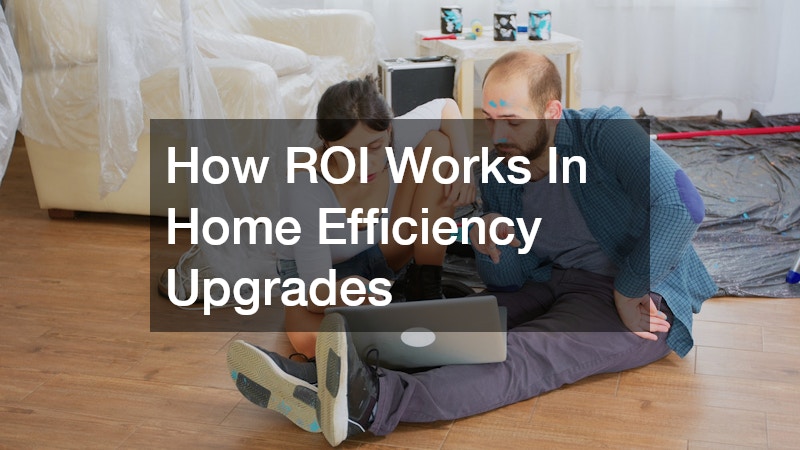
ROI in home efficiency upgrades is often realized over time rather than immediately. Unlike cosmetic renovations that create immediate visual impact, efficiency improvements work quietly in the background, lowering operating costs and reducing long-term risk. Monthly energy savings, fewer breakdowns, longer system lifespans, and avoided repair expenses all contribute to cumulative financial return.
The effectiveness of any efficiency upgrade depends heavily on context. Climate plays a major role, as heating-focused upgrades provide greater value in colder regions while moisture control and cooling efficiency are more impactful in humid or flood-prone areas. Home age and existing conditions matter as well—older homes often see greater ROI from foundational improvements because inefficiencies are more pronounced. Local utility rates and buyer expectations further shape ROI, making efficiency investments highly specific to each property.
Modern buyers increasingly view efficiency as a sign of responsible ownership. Homes that demonstrate lower operating costs and proactive maintenance often attract more interest, sell faster, and encounter fewer price negotiations. These market advantages amplify ROI beyond direct cost savings.
Energy Efficiency Improvements With Measurable Payback
Energy-focused upgrades consistently rank among the highest ROI improvements because they reduce one of the largest ongoing household expenses. Insulation upgrades, air sealing, and modern HVAC systems work together to minimize energy waste and maintain consistent indoor temperatures throughout the year. These improvements directly lower heating and cooling costs, producing measurable monthly savings that accumulate over time.
Air sealing is one of the most cost-effective efficiency upgrades available. Small gaps around doors, windows, ductwork, and penetrations allow conditioned air to escape, forcing HVAC systems to run longer and harder. Sealing these gaps improves comfort, reduces drafts, and allows existing systems to operate more efficiently without major equipment changes.
High-efficiency heating and cooling systems require a larger upfront investment, but their lower energy consumption and improved reliability often justify the cost. Modern systems are designed to operate more precisely, reducing wear and tear while maintaining comfort. Over time, the combination of lower energy bills, fewer repairs, and extended equipment life significantly boosts overall ROI.
Window And Exterior Upgrades That Improve Performance
Windows play a critical role in regulating indoor temperature and energy use. Older or poorly sealed windows allow heat transfer, drafts, and air leakage that undermine efficiency efforts elsewhere in the home. Energy-efficient window replacements improve insulation, reduce noise intrusion, and enhance indoor comfort, particularly in rooms exposed to direct sunlight or harsh weather conditions.
In warmer climates, window tinting offers an additional layer of efficiency by limiting solar heat gain. By reducing the amount of heat entering the home, tinting lowers cooling demand and helps HVAC systems operate more efficiently. It also protects interior finishes, flooring, and furnishings from UV damage, preserving the home’s appearance and reducing replacement costs.
Exterior upgrades such as improved siding, weather-resistant barriers, and proper sealing further enhance efficiency by reducing air infiltration and moisture exposure. These improvements strengthen the home’s envelope, protect structural components, and extend the lifespan of exterior materials, all of which contribute to stronger long-term ROI.
Moisture Control And Structural Protection Investments
Moisture management is one of the most critical—and often underestimated—efficiency investments a homeowner can make. Water intrusion leads to mold growth, wood rot, compromised insulation, and foundation damage, all of which are expensive to repair and harmful to indoor air quality. Addressing moisture issues early protects both the structure and the efficiency of the home.
Basement waterproofing delivers strong long-term ROI by safeguarding the foundation and preserving usable living or storage space. A dry basement improves indoor air quality, reduces health risks, and prevents damage to framing and mechanical systems. From a resale perspective, a waterproofed basement reassures buyers and removes a major point of concern during inspections.
Proper exterior drainage is equally important. Gutter replacement ensures rainwater is directed away from the home rather than pooling near the foundation, reducing erosion and structural stress. Maintaining clean sewers further supports moisture control by preventing backups that can cause severe water damage and costly remediation. Together, these investments protect the home from some of the most financially damaging risks homeowners face.
Roofing, Attic, And Envelope Efficiency
The roof and attic form one of the most important layers of a home’s energy envelope. Heat naturally rises, and without adequate insulation or ventilation, a significant amount of conditioned air can escape through the roof. In older homes, especially, outdated materials and compressed insulation allow heat loss in winter and excessive heat gain in summer, forcing HVAC systems to work harder and increasing utility costs year-round.
Upgrading attic insulation is often one of the most cost-effective efficiency improvements available. Proper insulation reduces heat transfer, stabilizes indoor temperatures, and improves comfort across all living spaces. When insulation upgrades are paired with balanced attic ventilation, moisture is able to escape instead of condensing on wood framing or roof decking. This combination protects structural components, prevents mold growth, and extends the lifespan of the roof itself.
Modern roofing materials further enhance efficiency by reflecting solar heat and improving durability. Cool roofing options and advanced shingles help regulate attic temperatures, reducing cooling demands during warmer months. From an ROI perspective, these upgrades deliver value through lower energy bills, fewer maintenance issues, and increased buyer confidence. A well-maintained, energy-efficient roof signals long-term reliability and reduces concerns about future replacement costs.
Outdoor Efficiency And Property Protection
Efficiency improvements extend beyond the interior of the home. Outdoor features such as landscaping, grading, and drainage systems play a major role in managing temperature, water flow, and long-term maintenance expenses. Thoughtful exterior planning can reduce energy usage while protecting the home’s structure from preventable damage.
Strategic tree placement provides natural shading that lowers cooling costs by blocking direct sunlight during peak summer hours. However, trees that are too close to the home or showing signs of decline can create serious risks. Working with a local tree removal company to manage overgrown or hazardous trees helps protect roofs, siding, and utility lines while preventing storm-related damage that could lead to costly repairs.
Proper grading and drainage are equally important for efficiency and structural protection. When water is directed away from the foundation, the risk of erosion, basement leaks, and foundation stress is significantly reduced. These outdoor improvements complement interior moisture control efforts and contribute to long-term ROI by minimizing repair risks and preserving the integrity of the home.
Smart Technology And Monitoring For Long-Term Savings
Smart home technology has become a powerful tool for improving efficiency through automation and data-driven decision-making. These systems help homeowners manage energy use proactively rather than reactively, reducing waste while maintaining comfort.
Smart thermostats are one of the most widely adopted efficiency technologies. By learning occupancy patterns and adjusting temperatures automatically, they reduce unnecessary heating and cooling without requiring constant manual input. Over time, these incremental savings add up, especially in homes with fluctuating schedules or seasonal temperature extremes.
Leak detection systems provide another layer of protection by monitoring plumbing activity and alerting homeowners to abnormal water usage. Early detection prevents water waste and minimizes damage from leaks that could otherwise compromise efficiency and lead to expensive repairs. Energy monitoring tools further enhance ROI by revealing consumption patterns, allowing homeowners to identify inefficiencies and make informed adjustments. While individual changes may seem small, their cumulative impact strengthens long-term savings and system performance.
Maintenance-Focused Efficiency Improvements
Some of the most reliable efficiency gains come from consistent, preventive maintenance rather than large-scale renovations. Regular upkeep ensures that existing systems operate at peak performance, extending their lifespan and preventing energy waste caused by wear or neglect.
Routine HVAC servicing keeps heating and cooling systems running efficiently by addressing airflow issues, component wear, and calibration problems. Clean, well-maintained systems consume less energy and are less likely to fail unexpectedly, reducing both utility costs and emergency repair expenses.
Preventive measures such as local pest control also protect efficiency by preserving insulation, wiring, and structural materials. Pests can compromise insulation effectiveness and damage systems that support energy efficiency. Addressing these risks early costs far less than repairing the damage later. Responsible waste management during maintenance or renovation projects further supports efficiency by keeping plumbing and drainage systems clear, preventing blockages that could disrupt water flow or lead to backups.
Efficiency During Renovations And Home Transitions
Renovations and major life transitions offer ideal opportunities to implement efficiency upgrades with minimal disruption. When walls, floors, or systems are already exposed, access is easier and installation costs are often lower than retrofitting finished spaces later.
Coordinating efficiency upgrades during a move allows homeowners to work efficiently with a moving company while systems are accessible and living spaces are cleared. This timing reduces labor complexity and accelerates project completion. Using storage units during renovations protects belongings and creates open work areas, allowing contractors to complete efficiency improvements more effectively.
Support services such as laundry delivery can also ease the strain during renovation periods. By reducing daily household demands, homeowners can focus on overseeing projects and making informed decisions that improve long-term efficiency without added stress.
Evaluating What’s Truly Worth The Investment

Not all efficiency upgrades deliver the same return, making careful evaluation essential. Homeowners should consider upfront costs alongside projected savings, risk reduction, and potential resale impact when prioritizing improvements.
Those planning to sell in the near future may focus on upgrades that appeal directly to buyers, such as insulation improvements or moisture control solutions. Long-term homeowners, on the other hand, often benefit more from upgrades that reduce operating costs and increase system durability over time. Climate conditions, local utility rates, and neighborhood expectations all influence which upgrades offer the strongest ROI.
Professional assessments and energy audits help identify high-impact opportunities and prevent costly missteps. The most successful efficiency strategies focus on foundational improvements that enhance overall home performance, ensuring that individual upgrades work together rather than delivering isolated or short-lived benefits.
The most valuable home efficiency upgrades are those that deliver consistent, long-term benefits rather than quick visual appeal. Improvements that reduce energy use, manage moisture, and protect structural integrity offer the strongest ROI over time. These investments lower monthly expenses, reduce the risk of costly repairs, and increase buyer confidence when it comes time to sell.
Efficiency-focused homeowners understand that value isn’t created through a single upgrade, but through a thoughtful, layered approach. Addressing insulation, air sealing, drainage, and system performance first creates a strong foundation for future improvements. Supporting services—from waste management during projects to maintaining clean sewers and protecting the home with local pest control—play an important role in preserving efficiency gains.
As energy costs rise and buyer expectations evolve, efficient homes stand out in the market. They perform better, cost less to maintain, and provide greater peace of mind. By investing in upgrades that truly matter, homeowners can ensure their efforts pay off not just financially, but in comfort, reliability, and long-term confidence in their investment.